
"Nicaraguan coffee industry"
600 article(s) found

Nicaraguan Coffee Flavor introduction of Nicaraguan Coffee characteristics of Nicaraguan Coffee
Nicaragua is now one of the poorest countries in Central America. Due to its poor economic foundation, the coffee industry is still relatively backward, while coffee farmers are in extreme poverty. Fortunately, Nicaraguan coffee has received some foreign aid funds to improve the quality of its coffee. Coffee from Madagelba, Sinodega and Segovia in Nicaragua

Fragrant and delicious Nicaraguan Coffee Manor: introduction to the characteristics of Nicaraguan Coffee in Joy Manor
In many countries, coffee production will be seriously affected for political reasons. Nicaraguan coffee industry is no exception. The 1979 revolution forced coffee planters to flee to Miami. A period of indecision followed, when the government considered whether to redistribute land (including many plantations), which led to a shortage of coffee and a decline in production since the early 1970s

Nicaraguan coffee flavor description, Nicaraguan coffee producing area
Following the comments (Wechat official account vdailycom) found that Nicaragua is an economically backward agricultural country, one of the poorest countries in Central America, with high unemployment rate and people living in poverty, while coffee is Nicaragua's pillar industry, producing nearly 100,000 tons of coffee beans every year. Due to the poor economic foundation, the coffee industry is still relatively backward.

Fragrant and delicious Nicaraguan Coffee Flavor the characteristics of the Manor production of Nicaraguan Coffee
Nicaragua is now one of the poorest countries in Central America. Due to its poor economic foundation, the coffee industry is still relatively backward, while coffee farmers are in extreme poverty. Fortunately, Nicaraguan coffee has received some foreign aid funds to improve the quality of its coffee. Coffee from Madagelba, Sinodega and Segovia in Nicaragua

Flavor and taste of Nicaraguan Coffee Manor introduction to the characteristics of Nicaraguan Coffee in Heavenly send Manor
In many countries, coffee production will be seriously affected for political reasons. Nicaraguan coffee industry is no exception. The 1979 revolution forced coffee planters to flee to Miami. A period of indecision followed, when the government considered whether to redistribute land (including many plantations), which led to a shortage of coffee and a decline in production since the early 1970s

Introduction of Nicaraguan Coffee Manor production area the flavor and taste characteristics of Nicaraguan coffee in Joy Manor
In many countries, coffee production will be seriously affected for political reasons. Nicaraguan coffee industry is no exception. The 1979 revolution forced coffee planters to flee to Miami. A period of indecision followed, when the government considered whether to redistribute land (including many plantations), which led to a shortage of coffee and a decline in production since the early 1970s

Fragrant and delicious Nicaraguan Coffee Fine Coffee Bean Manor Variety description
High-quality Nicaraguan coffee, grown in the north and middle of the country. Coffee is a pillar industry in Nicaragua, producing nearly 100,000 tons of coffee beans every year. Many people who have tasted Nicaraguan coffee usually think that it is no different from Salvadoran coffee or Honduran coffee. It is full-bodied, smooth and delicate, with a slightly bitter finish, like a faint taste in a wine. In

Fragrant and delicious Nicaraguan coffee taste the characteristics of the manor producing area introduce Nicaraguan coffee
Nicaragua is now one of the poorest countries in Central America. Due to its poor economic foundation, the coffee industry is still relatively backward, while coffee farmers are in extreme poverty. Fortunately, Nicaraguan coffee has received some foreign aid funds to improve the quality of its coffee. Coffee from Madagelba, Sinodega and Segovia in Nicaragua

Fragrant and delicious Nicaraguan coffee beans Nicaraguan coffee producing area manor
Nicaragua is now one of the poorest countries in Central America. Due to its poor economic foundation, the coffee industry is still relatively backward, while coffee farmers are in extreme poverty. Fortunately, Nicaraguan coffee has received some foreign aid funds to improve the quality of its coffee. Coffee from Madagelba, Sinodega and Segovia in Nicaragua

Nicaraguan Coffee Industry introduction to Nicaraguan Coffee Matagalpa (Matagalpa)
Professional coffee knowledge exchange more coffee bean information please pay attention to coffee workshop (Wechat official account cafe_style) Nicaragua is an economically backward agricultural country, is one of the poorest countries in Central America, the unemployment rate is very high, people live in poverty, and coffee is Nicaragua's pillar industry, producing nearly 100,000 tons of coffee beans every year. Due to the poor economic foundation, the coffee industry is still better than

Introduction of Nicaraguan boutique coffee in central Central America Nicaraguan coffee flavor in Matagalpa
Nicaragua is now one of the poorest countries in Central America. Due to its poor economic foundation, the coffee industry is still relatively backward, while coffee farmers are in extreme poverty. Fortunately, Nicaraguan coffee has received some foreign aid funds to improve the quality of its coffee. Coffee from Madagelba, Sinodega and Segovia in Nicaragua

Rich aroma Nicaraguan Coffee Manor Flavor and Taste introduce the characteristics of Nicaraguan Coffee
Nicaragua is now one of the poorest countries in Central America. Due to its poor economic foundation, the coffee industry is still relatively backward, while coffee farmers are in extreme poverty. Fortunately, Nicaraguan coffee has received some foreign aid funds to improve the quality of its coffee. Coffee from Madagelba, Sinodega and Segovia in Nicaragua
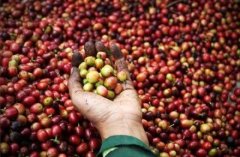
Nicaraguan boutique coffee introduces the unique taste of Nicaraguan coffee the cultivation of Nicaraguan coffee
In many countries, coffee production has been seriously affected for political reasons. Nicaraguan coffee industry is no exception. The 1979 revolution forced coffee planters to flee to Miami. A period of indecision followed, when the government considered whether to redistribute land, including many plantations, which led to a shortage of coffee and a decline in production. Niagara

Nicaraguan Coffee Manor introduces the characteristics of Nicaraguan Coffee in Nicaraguan Coffee producing area
Nicaraguan coffee Nicaragua coffee flavor characteristics: moderate acidity, fragrant and delicious. Nicaraguan coffee of high quality is in the forefront of coffee beans in the world and enjoys a good reputation. Its particles are moderate in size, mild in taste and very aromatic and mellow. Nicaragua is located in central Central America, bordered by the Pacific Ocean to the west and the Caribbean Sea to the east. The highlands in the north and the coastal plains in the east

Fragrant and delicious Nicaraguan coffee taste manor area introduces the characteristics of Nicaraguan coffee
Nicaraguan coffee industry is no exception. The 1979 revolution forced coffee planters to flee to Miami. A period of indecision followed, when the government considered whether to redistribute land, including many plantations, which led to a shortage of coffee and a decline in production, from more than 1 million bags in the early 1970s to less than 600000 bags in 1990. Now the government has opened up coffee.

Introduction to the characteristics of Nicaraguan Fine Coffee Flavor and taste Manor
High-quality Nicaraguan coffee, grown in the north and middle of the country. Coffee is a pillar industry in Nicaragua, producing nearly 100,000 tons of coffee beans every year. Many people who have tasted Nicaraguan coffee usually think that it is no different from Salvadoran coffee or Honduran coffee. It is full-bodied, smooth and delicate, with a slightly bitter finish, like a faint taste in a wine. In

Moderate acidity, fragrant and delicious Nicaraguan coffee flavor, characteristics, taste and manor
Nicaragua: Nicaraguan coffee flavor characteristics: moderate acidity, fragrant and delicious. Nicaraguan coffee of high quality is in the forefront of coffee beans in the world and enjoys a good reputation. Its particles are moderate in size, mild in taste and very aromatic and mellow. Nicaragua is located in central Central America, bordered by the Pacific Ocean to the west and the Caribbean Sea to the east. The highland in the north and the coastal plain in the east, belonging to Central America.

Moderate acidity, fragrant and delicious Nicaraguan coffee flavor, characteristics, taste and manor introduction
Nicaragua: Nicaraguan coffee flavor characteristics: moderate acidity, fragrant and delicious. Nicaraguan coffee of high quality is in the forefront of coffee beans in the world and enjoys a good reputation. Its particles are moderate in size, mild in taste and very aromatic and mellow. Nicaragua is located in central Central America, bordered by the Pacific Ocean to the west and the Caribbean Sea to the east. The highland in the north and the coastal plain in the east, belonging to Central America.

A brief introduction to the origin, development, history and culture of Nicaraguan boutique coffee beans with mild taste
Nicaragua is located in central Central America, bordered by the Pacific Ocean to the west and the Caribbean Sea to the east. The highlands in the north and the coastal plains in the east are part of the Central American volcanic belt. The eastern plain is high-temperature and rainy, with a tropical maritime climate. The suitable climate provides an excellent growth environment for the cultivation of coffee. High-quality Nicaraguan coffee, grown in the north and middle of the country. Coffee is Ni.

Mild taste of Nicaraguan coffee the manor area introduces the characteristics of Nicaraguan coffee.
In many countries, coffee production will be seriously affected for political reasons. Nicaraguan coffee industry is no exception. The 1979 revolution forced coffee planters to flee to Miami. A period of indecision followed, when the government considered whether to redistribute land (including many plantations), which led to a shortage of coffee and a decline in production from the early 1970s.